
DeepDocs Announces New Documentation Automation Suite for 2026
DeepDocs unveils its latest documentation automation suite, streamlining workflows for software teams and DevOps engineers. Discover how this tool boosts development efficiency and enhances technical writing.
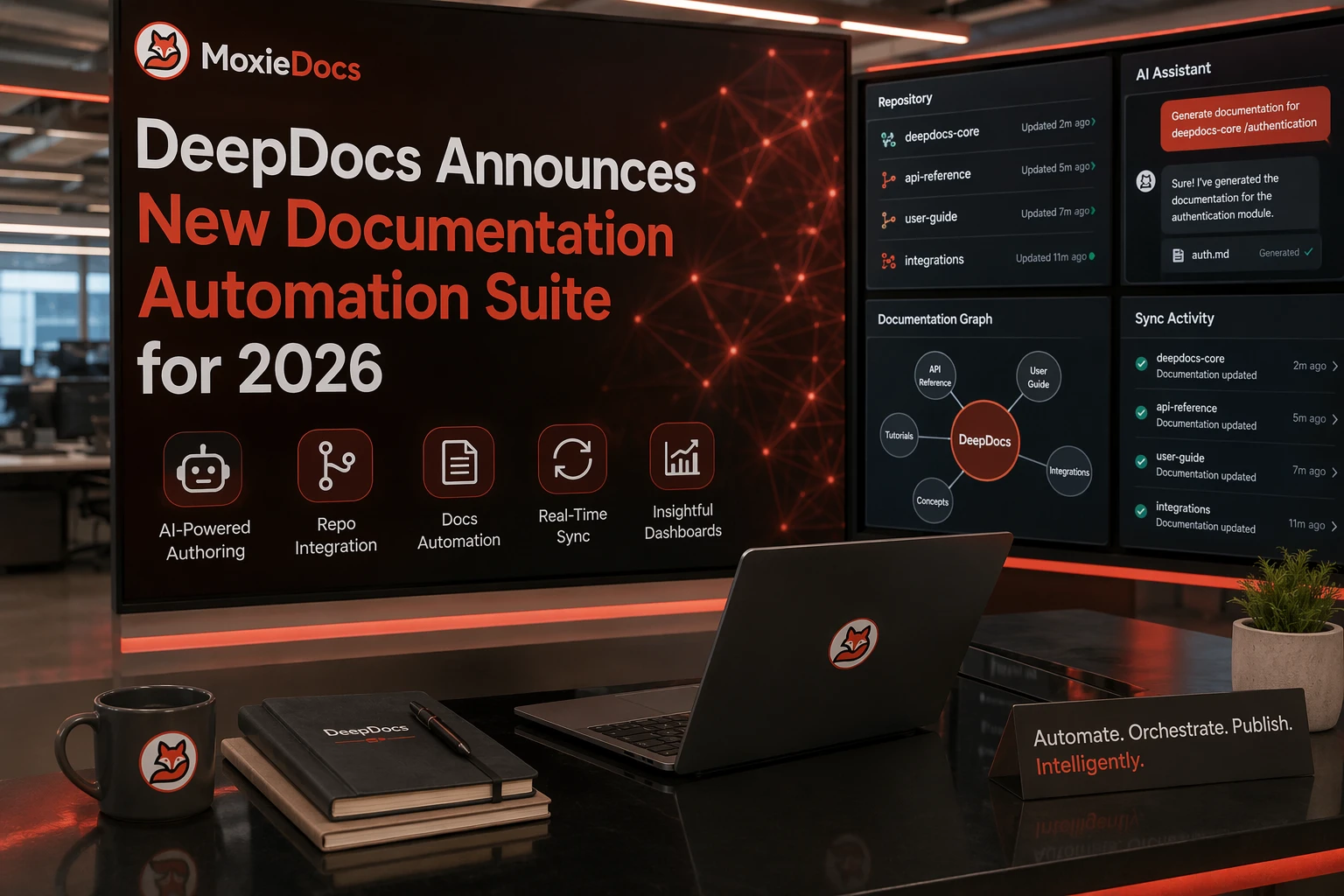
Quick Summary: DeepDocs introduced a 2026 documentation automation suite that keeps GitHub docs synchronized with code changes through repo scans and pull request updates. This helps reduce documentation drift, improves AI coding efficiency by providing current context, and streamlines maintenance by updating only stale parts of docs. Unlike traditional tools, it automates continuous updates tied directly to code merges, making live documentation more reliable for fast-moving teams.
DeepDocs just launched a 2026 Documentation Automation suite built to keep GitHub docs synced with code through repo scans, drift checks, and PR-based updates. That matters now. Fast-moving teams pay for stale docs every day. Engineers repeat rules, agents miss local context, and drift grows after each merge. This article looks at why Documentation Automation, Code Documentation Tools, and AI Documentation Software now act as an AI-readiness layer. We cover Documentation Automation from a practical engineering view.
What DeepDocs Says the New Suite Automates#
DeepDocs says the suite automates doc upkeep inside the normal GitHub review loop. Its own GitHub app docs say you point it at doc files or folders, then it updates relevant docs when a pull request is opened and adds the change back into that PR or, if docs live elsewhere, opens a PR in the docs repo according to the project README.
- Install the app on the source repo and docs repo if needed.
- Set target files or a docs folder.
- Open a PR and review the suggested doc commit.
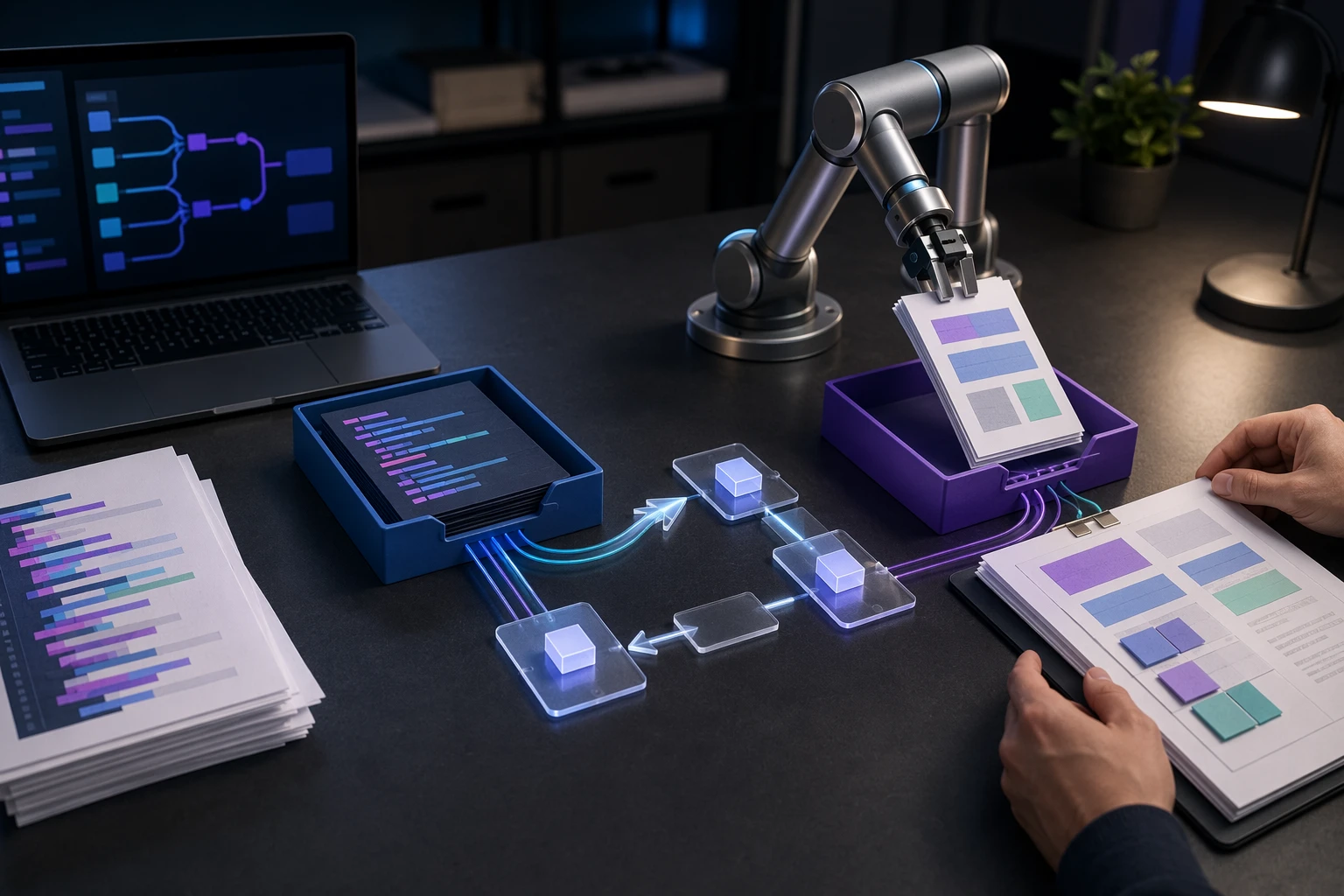
DeepDocs also says updates stay readable because it edits only stale parts instead of rewriting whole pages. Its docs describe this as preserving the original structure, style, and format while reporting what changed and why in the product documentation.
Also Read: MoxieDocs Review: AI-Powered Documentation for Modern Dev Teams
Why It Matters for AI Coding Teams in 2026#
AI coding teams lose time when agents keep asking for files, rules, and architecture already explained once. GitHub says better prompts and leaner context reduce retries and AI credit use in Copilot, which is the same pain most teams feel in daily repo work GitHub’s guidance. Tools like MoxieDocs help by keeping fresh repo docs close to the agent.

Better docs also cut token waste. GitHub’s 2026 Copilot update highlights prompt caching, deferred tool loading, and smarter context handling to avoid sending repeated context every turn GitHub’s 2026 Copilot update. If your docs are current, agents need fewer bloated prompts and fewer cleanup runs.
Fast-moving repos break stale docs fast. That hurts AI most, because agents trust what they read. Living documentation tied to merges keeps pull request review intact while lowering drift, so generated code, tests, and docs stay closer to the real codebase.
Also Read: 8 Top AI Documentation Tools for Engineering Teams in 2026
How It Differs from Traditional Code Documentation Tools#
Traditional tools help teams write docs. DeepDocs-style systems help teams keep docs current. GitHub notes that some tools generate docs from source and can auto-update after code changes, but that still differs from prompt-first writing where someone asks for a summary by hand each time GitHub’s code documentation guide.
-
Automation versus prompt-driven doc writing
- Traditional flow: ask an AI, edit output, paste it somewhere.
- Automated flow: detect merges, map changes, update docs, open a reviewable PR.
-
Repository-wide context versus isolated files
- Older tools often explain one file or function at a time.
- Repository-level systems aim to capture cross-module structure and dependencies, a gap called out in recent CodeWiki research.
For teams using MoxieDocs, the real win is not faster first drafts. It is less drift across the whole repo.
Also Read: MoxieDocs vs DeepDocs: Which AI Documentation Tool Wins?
The Continuous Documentation Push Behind the Launch#
Documentation drift keeps happening because code and docs move at different speeds. A PR ships fast. The matching README, runbook, or architecture note often waits. Git tracks changed files, but it does not know which doc page also became wrong, as DEV Community notes in its pull request drift analysis.
Common causes stack up fast:
- docs live outside the repo
- reviewers focus on tests, not prose
- AI tools increase merge volume
- stale pages still look official
The bigger risk in 2026 is simple: coding agents read old docs as if they are true, which Focused Labs warns can lead to wrong changes shipping.
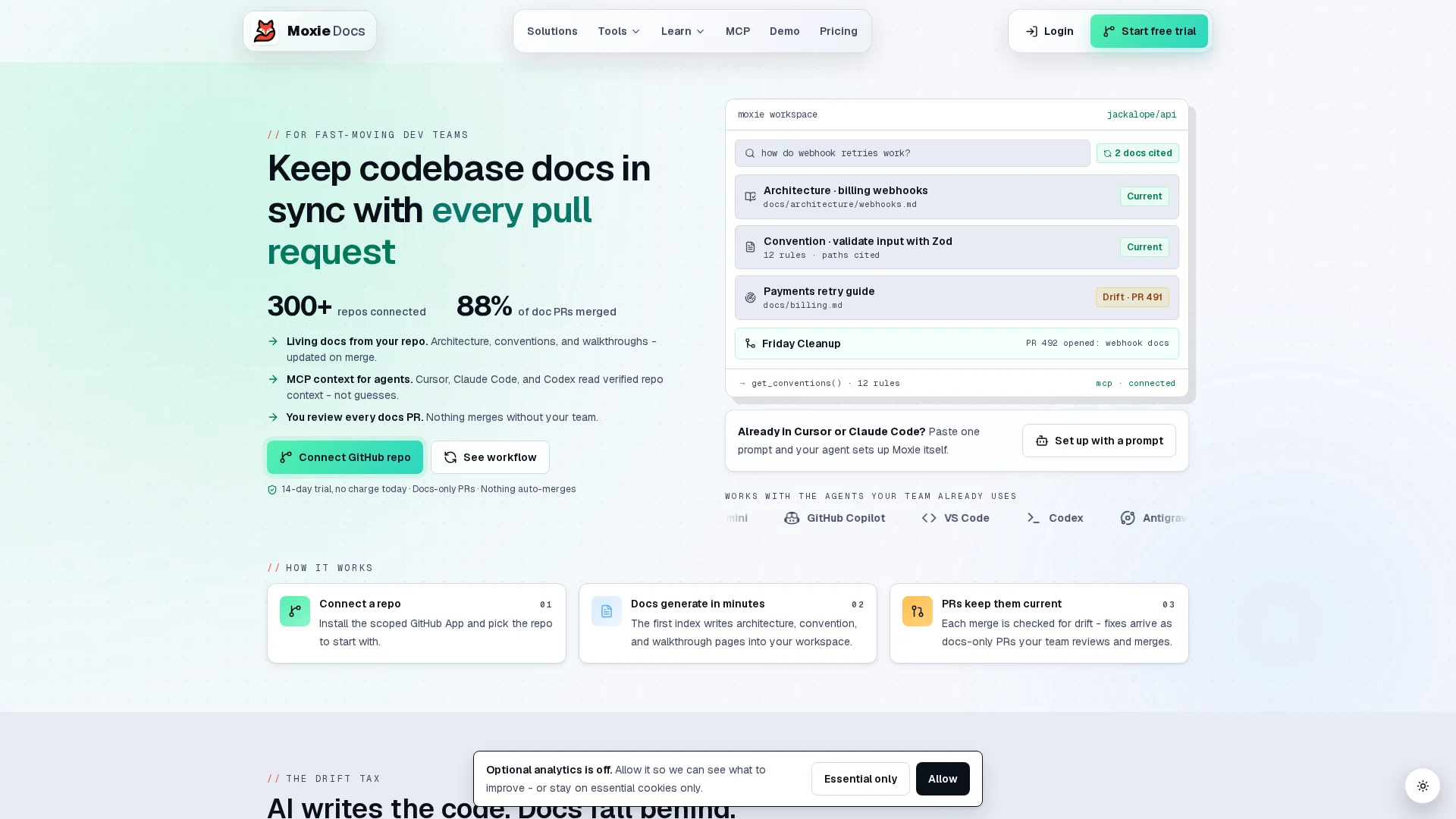
Keep docs in sync as code ships. See how MoxieDocs flags drift, updates GitHub docs, and feeds fresh context to AI agents.
Frequently Asked Questions#
Q1: How does MoxieDocs' documentation automation suite improve AI readiness for 2026?#
It keeps repo docs current as code changes, so AI agents get fresher context. That means fewer wrong suggestions, less prompt padding, and better PR reviews tied to real code updates.
Q2: What benefits does MoxieDocs offer for maintaining live documentation across evolving GitHub repositories?#
Teams cut doc drift, save writer time, and keep review flow inside pull requests. It helps fast-moving repos where features, APIs, and setup steps change too often for manual updates.
Q3: How does MoxieDocs reduce context switching and token waste for engineering teams using AI coding agents?#
It serves relevant codebase knowledge directly, so engineers and agents spend less time hunting through wikis, READMEs, and stale notes. Shorter prompts and cleaner context usually mean lower token use.
Conclusion#
DeepDocs launches with a clear fix for doc drift: GitHub-native automation, reviewable updates, and less manual cleanup. Its GitHub Marketplace listing shows branch-based updates and detailed reports, while the official docs stress continuous, context-aware documentation.
Republish or cite this article
You're welcome to republish this piece in full or in part. We just ask that you credit the original with a link back. See our republishing guidelines.
Attribution snippet
<p>This article was originally published on <a href="https://moxiedocs.com/blog/deepdocs-announces-new-documentation-automation-suite-for-2026">Moxie Docs</a>.</p>Cite this article
The Moxie Docs team. "DeepDocs Announces New Documentation Automation Suite for 2026." Moxie Docs, July 24, 2026, https://moxiedocs.com/blog/deepdocs-announces-new-documentation-automation-suite-for-2026.
Read next
Ultimate Guide to Auto Documentation for Development Teams
Discover the ultimate guide to auto documentation for development teams, covering best practices, tools, and strategies for reliable documentation workflows.
Living Documentation Best Practices for Agile Teams
Discover best practices for living documentation in Agile teams. Enhance collaboration, transparency, and efficiency with effective documentation strategies tailored for software engineering, DevOps, and startups.